The short version
Is the Edinburgh Scottish folk dinner worth it?
Worth it for a relaxed night of Scottish songs, a seated meal and a dram in the Old Town, as long as you are content to follow along in English. GetYourGuide shows 4.6 stars from 399 reviews, from US$122 a person, for a piper's welcome, a three-course supper, two musicians and a closing whisky toast. Dancers will be disappointed: the booking page describes seated music with stories between the songs, not a ceilidh floor.
Worth weighing first
What the booking page promises
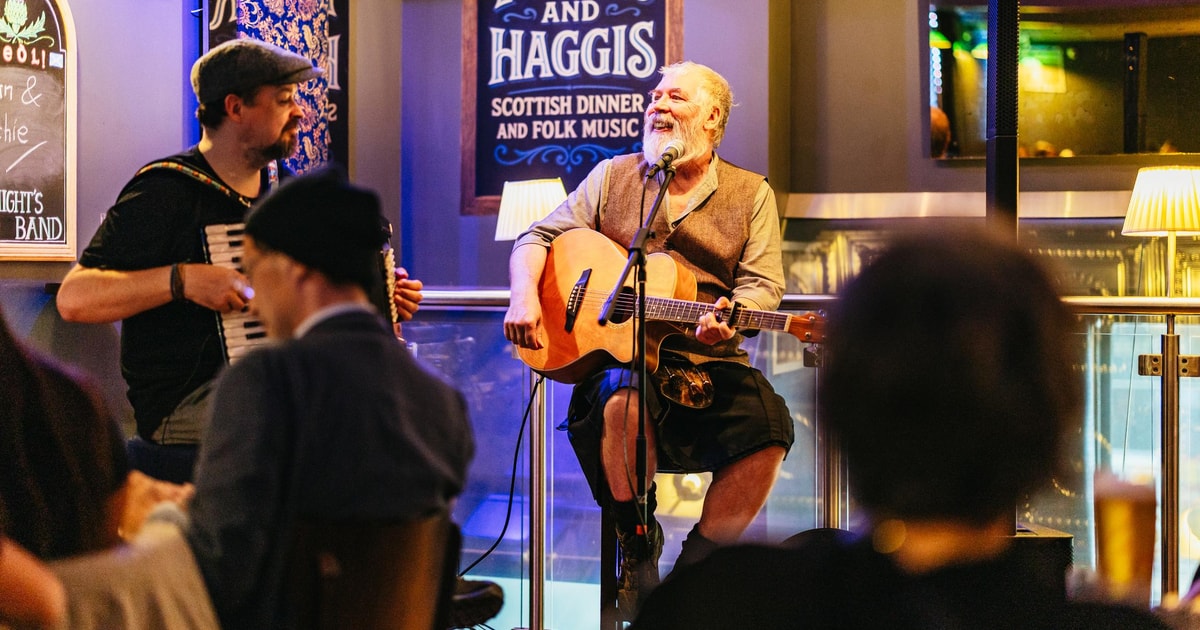
A bagpiper greets guests and poses for photos. Then comes a three-course meal of two dishes and a dessert, with one complimentary Scottish drink. Two musicians play Scottish folk music, from ballads to lively songs, and explain the stories behind them. A whisky toast with an expert's introduction ends the night, and a different drink is offered if you do not take whisky.
The music
The page names ballads and lively songs but no set list, and the musicians pick their own repertoire. Expect a guided tour of the tradition rather than a concert programme, with talk between numbers.
The food
Two dishes and a dessert make the three courses. The page does not publish a menu, so read dietary needs into your booking: tell the provider ahead of time, because kitchens cannot improvise on the night.
Who it suits
Visitors on a first trip to Scotland who want songs, food and a story in a single sitting; couples and small groups; anyone who would sooner listen than dance. It is less suited to guests who want a late-night party or who dislike live music at the table.
Booking terms
Reserve now and settle later; cancelling is free until the day before. Choose an evening in the calendar, then read the e-mail that follows for the meeting details.
Getting there
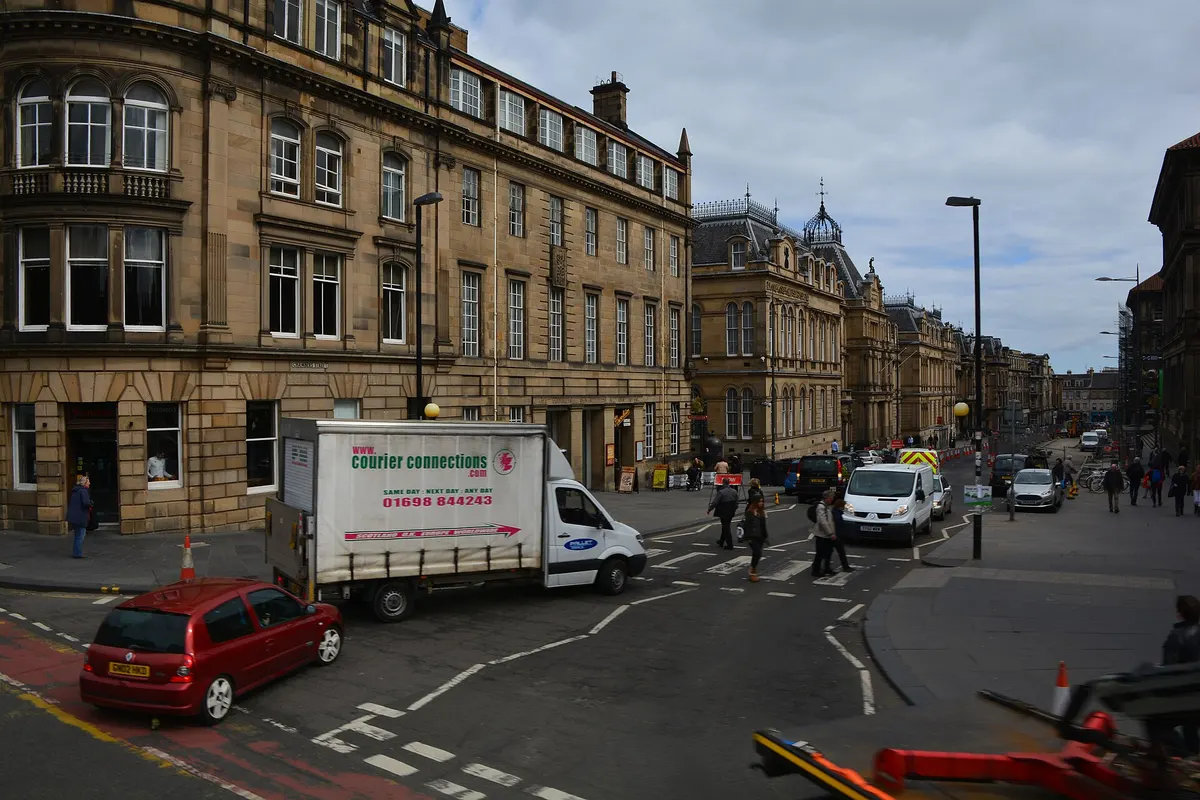
The restaurant is at 1 Chambers Street, a road in the southern part of the Old Town lined with university and museum buildings. Transport is not part of the booking.
Seven threads running through the evening
Seven threads running through a Scottish folk supper
Each card below distils one strand of the evening, citing Wikipedia, the UK legislation site or Tobar an Dualchais by name.
-
The ballads
Songs that were handed down by mouth
Wikipedia says Scottish ballads stayed oral until collectors in the 18th century, such as Bishop Thomas Percy, began to print them, and that some carry older supernatural themes, with the fairies of Tam Lin as its example. Francis James Child's eight volumes of popular ballads, issued between 1882 and 1892, later shaped what singers chose to perform.
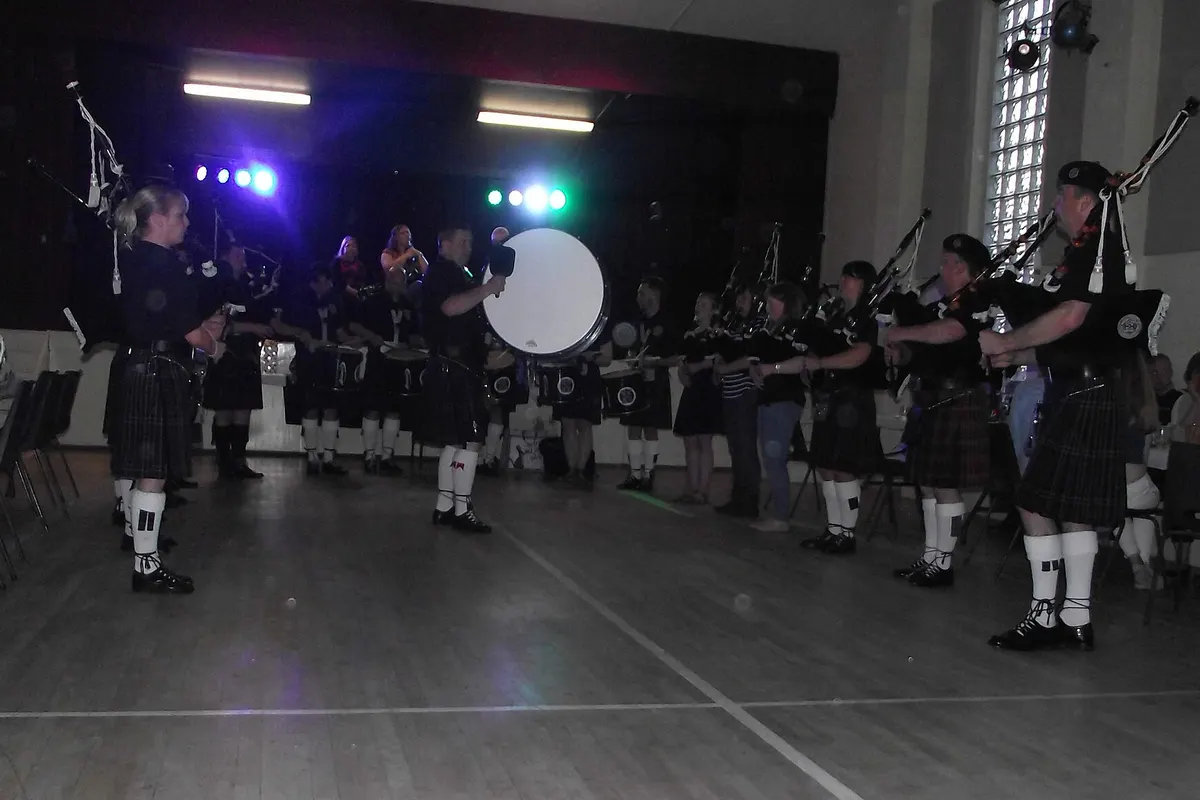
Pipers playing for a charity ceilidh in a hall. -
The revival
Collectors with tape recorders
Wikipedia dates the School of Scottish Studies at the University of Edinburgh to 1951. The poet and songwriter Hamish Henderson, a catalyst of the revival, guided the American folklorist Alan Lomax round Scotland in the 1950s. Recordings made in these years now sit in the archive that Tobar an Dualchais makes searchable online.
-
The tunes
Fiddles, then accordions
Wikipedia lists reels and strathspeys among Scotland's dance-tune types. The fiddler Niel Gow and his son Nathaniel composed hundreds of tunes, and a traveller in 1703 counted eighteen fiddle players on Lewis alone. The accordion became central to Highland dances from the 1920s, which is why a guitar and accordion pairing sits easily in a folk evening.
-
The pipes
An instrument with no volume knob
The Great Highland bagpipe has a bag, a chanter and three drones, says Wikipedia, and its continuous airflow means the player cannot shape notes with the mouth. Expression comes from grace-note embellishments instead. Textual evidence for pipes in Scotland goes back to about 1400, and the first clear reference Wikipedia gives for the Highland pipes is the Battle of Pinkie Cleugh in 1547.
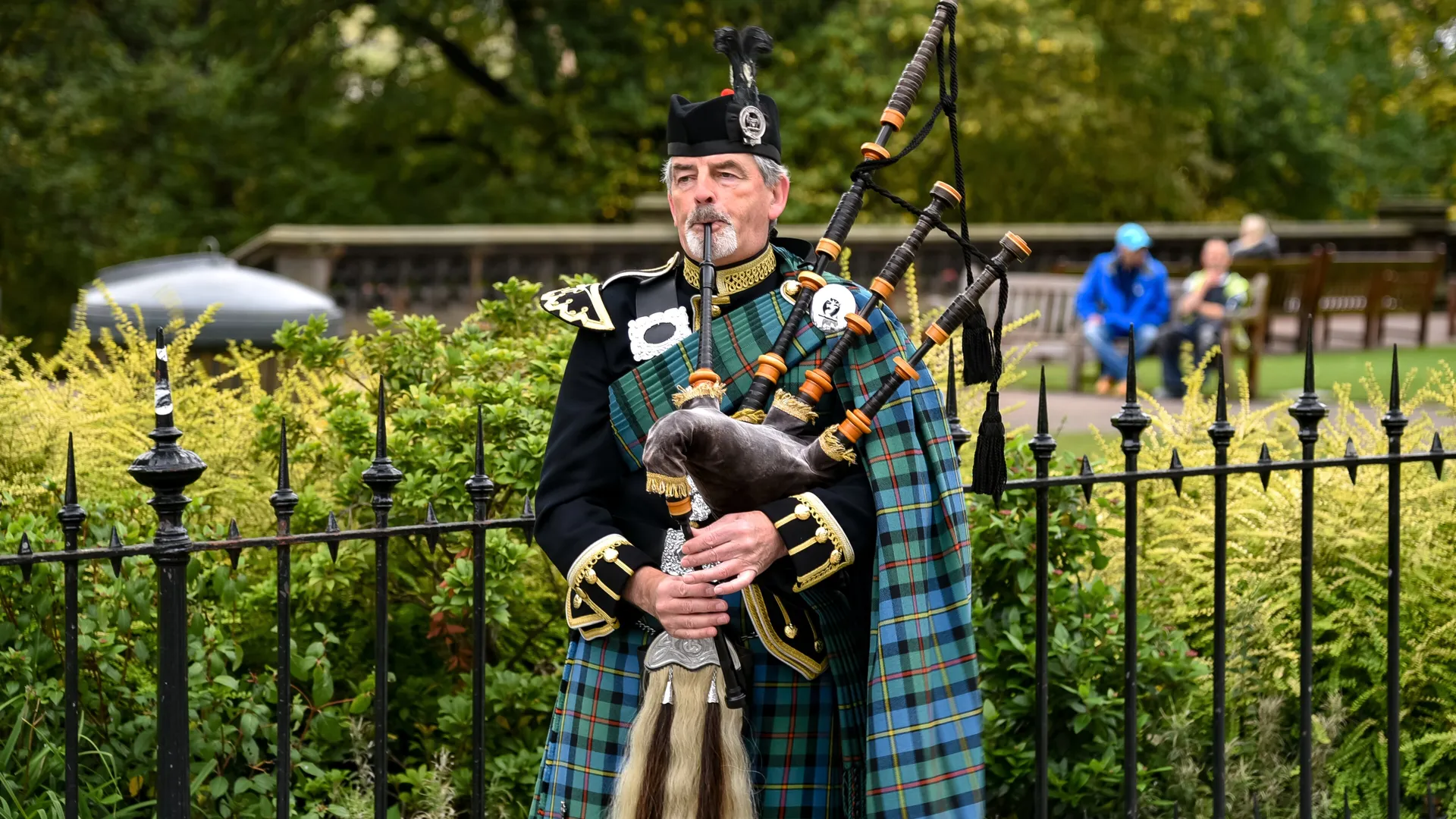
A piper in full Highland dress, photographed in Edinburgh. -
The plate
A national dish with a poet behind it
Wikipedia describes haggis as sheep's pluck minced with onion, oatmeal, suet and spices, traditionally cooked in the animal's stomach and now often in an artificial casing. Robert Burns's 1786 poem Address to a Haggis helped make it the national dish. It is traditionally served with neeps and tatties, which are mashed swede and mashed potato, and vegetarian versions exist.
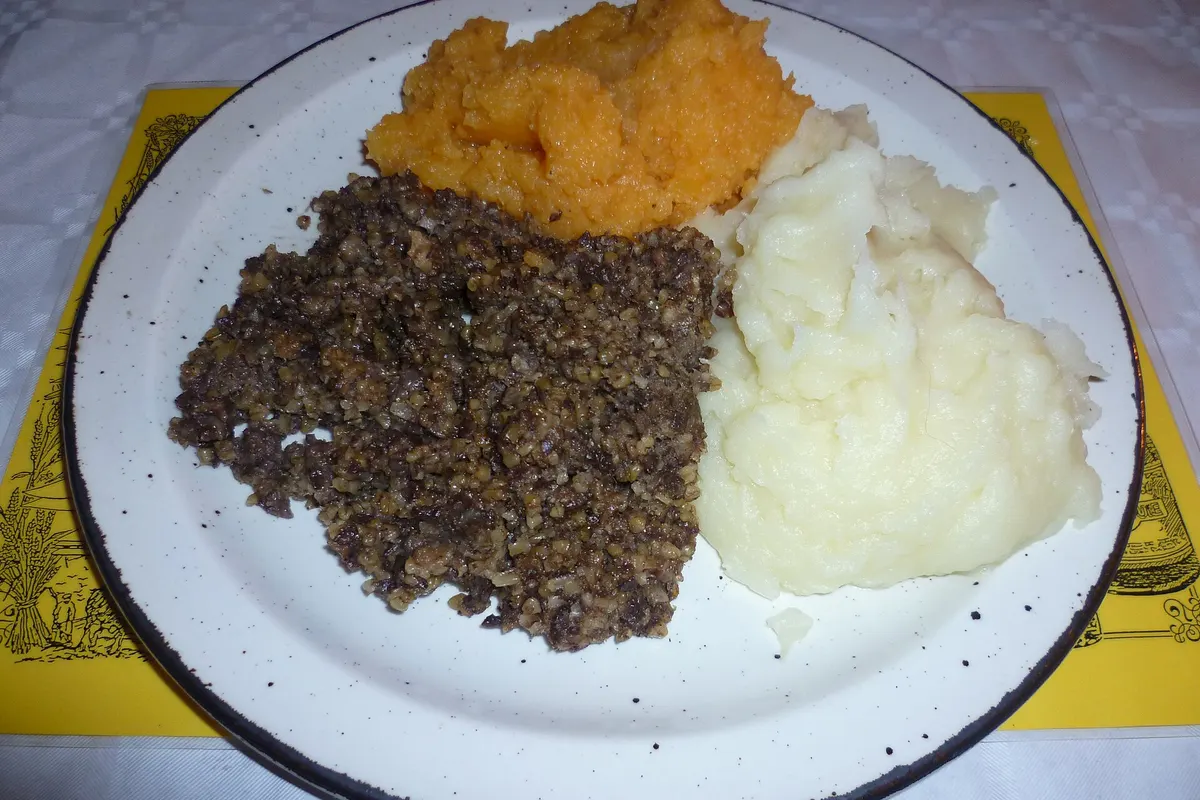
Haggis with neeps and tatties, the traditional plate. -
The supper
Burns night, 25 January
Wikipedia says the first Burns supper was held at Burns Cottage in Ayrshire on 21 July 1801, the fifth anniversary of the poet's death. A Greenock club held its own in January 1802 and later fixed on 25 January, once parish records gave Burns's birth as 25 January 1759. A formal supper traditionally closes with everyone singing Auld Lang Syne.
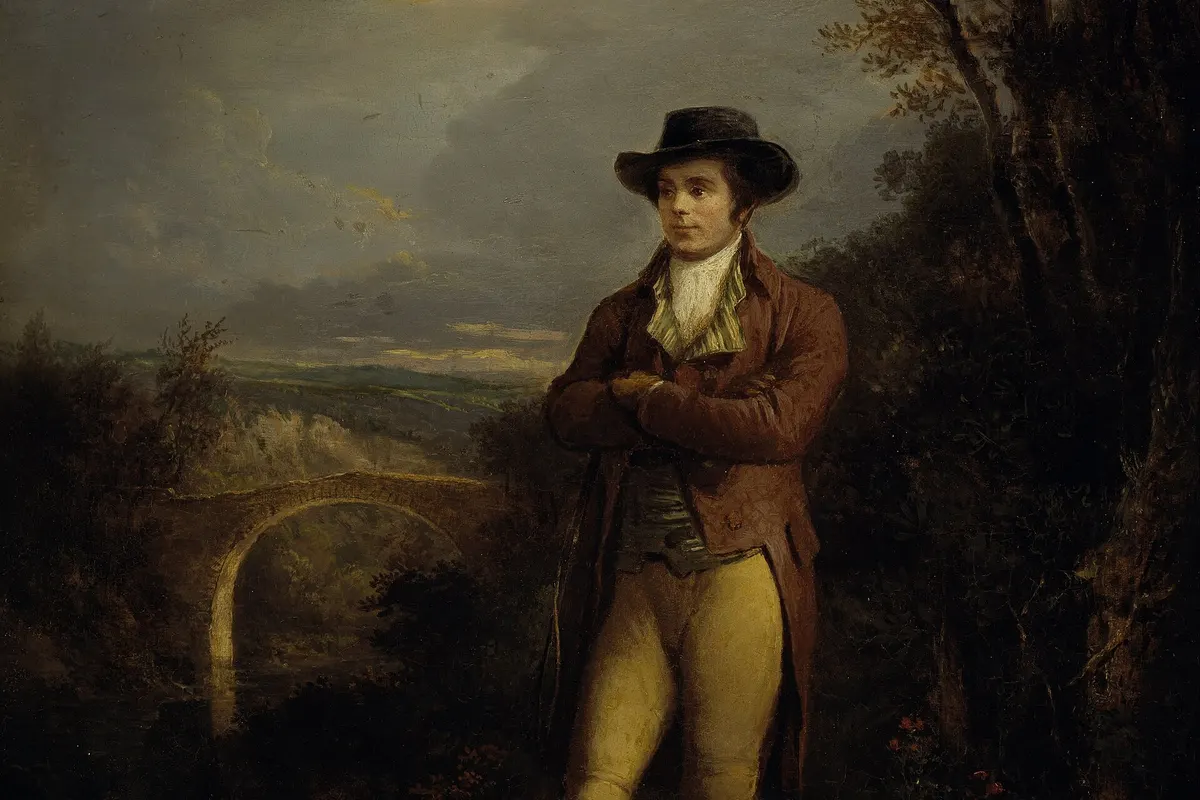
Robert Burns, painted by Alexander Nasmyth. -
The dram
Whisky with rules
The Scotch Whisky Regulations 2009 require Scotch to be distilled at a Scottish distillery and matured in Scotland for at least three years in oak casks of no more than 700 litres, then bottled at 40% alcohol or more. Wikipedia names five regions: Speyside, the Highlands, the Lowlands, Islay and Campbeltown.
Sources: Wikipedia on Scottish folk music, the Ceilidh, the Great Highland bagpipe, Haggis, Burns supper, Robert Burns, Auld Lang Syne, Scotch whisky and Chambers Street; legislation.gov.uk for the Scotch Whisky Regulations 2009; Tobar an Dualchais for Scotland's recorded traditions.
Scotland's table and stage in nine dates
Scotland's table and stage in nine dates
- 1494
The first known written mention of Scotch whisky: malt allotted to make aqua vitae
In the record: Wikipedia cites the Exchequer Rolls of Scotland for the year
- 1547
The first clear reference to Highland bagpipes in use
In the record: The Battle of Pinkie Cleugh, according to Wikipedia
- 1759
Robert Burns is born at Alloway in Ayrshire
In the record: He died in Dumfries on 21 July 1796, aged 37
- 1786
Burns's first book appears in Kilmarnock, and Address to a Haggis is dated to this year
In the record: The Edinburgh edition followed in April 1787, says Wikipedia
- 1788
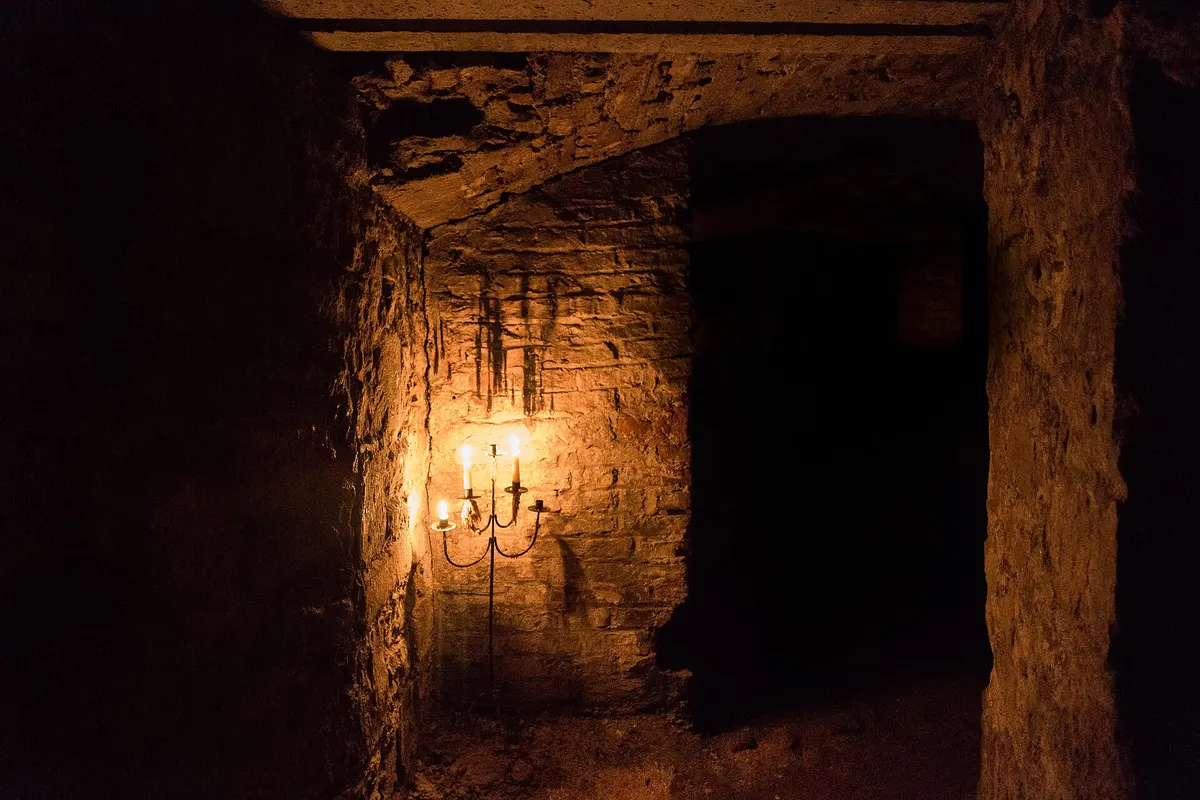
South Bridge is completed, with vaults inside its arches
In the record: It was authorised by an act of 1785, says Wikipedia
- 1801
Friends of Burns hold the first Burns supper in Ayrshire
In the record: The Greenock club's first supper followed in 1802
- 1870
Chambers Street is created under the Edinburgh Improvement Act of 1867
In the record: It was named for the Lord Provost William Chambers, says Wikipedia
- 1951
The School of Scottish Studies opens at the University of Edinburgh
In the record: Hamish Henderson helped stage the People's Festival Ceilidh the same year
- 1995
The Old and New Towns of Edinburgh are inscribed as a World Heritage Site
In the record: Wikipedia gives 1995 for the Old Town's inscription
Read from the booking page
On the booking page, and not on it
Six details drawn from the page as it stood on 19 November 2026. Anything it omits is omitted here, and your confirmation e-mail settles any doubt.
See open evenings ↗The lowest fare seen on the day of writing; pick a date in the calendar for the precise total, shown in your own currency.
- The welcome
- A bagpiper opens the evening, and guests can have photos taken with the piper.
- The meal
- Three courses, made up of two dishes and a dessert, served at a restaurant at 1 Chambers Street. The restaurant's name is not given.
- The drink
- One complimentary Scottish drink comes with the meal. Further rounds are not mentioned, so assume they cost extra.
- The music
- Two musicians lead an evening of Scottish folk music that runs from ballads to lively songs, with the stories behind them.
- The toast
- The night ends with a whisky toast and a short introduction from an expert. An alternative is offered to guests who do not drink whisky.
- Booking terms
- Free cancellation until a day ahead, payment later, and the length given as three hours. The language of the evening is English.
A folk supper or a walk under the bridges
A folk supper or an underground vaults tour?
Book the supper, then fill the other Edinburgh days
Other Edinburgh bookings to set beside it
The dinner uses one evening. Three other Edinburgh bookings sit beside it: a tour beneath the old bridges, a guided walk up to the castle with entry included, and a full day out in the Highlands.
- See dates ↗
Scottish dinner and folk music evening
A three-course meal at 1 Chambers Street with a piper's welcome, two musicians playing Scottish folk songs and a closing whisky toast, as the booking page describes it.
- See dates ↗
Underground Vaults tour
A guided tour of Edinburgh's underground vaults, going by its title. The natural alternative for an evening, with stone arches where the musicians would be.
- See dates ↗
Edinburgh Castle guided walk with entry
A guided walking tour of the castle with an entry ticket, going by its title. A good daytime partner for an evening in the Old Town.
- See dates ↗
Loch Ness, Glencoe and the Highlands tour
A full-day coach tour from the city into the Highlands, going by its title. It takes a whole day, so it suits a different date from the supper.
Also bookable in Edinburgh
Settling the evening
Four decisions before the evening
Choose the date
Browse the calendar, select an evening and see which supper slots are free. The confirmation e-mail carries your date, so there is nothing to copy from this page.
Tell the provider what you cannot eat
Dietary needs go to the provider in advance. If someone in your party avoids meat, nuts or gluten, say so when you book, since the page does not publish a menu.
Decide on the whisky
The closing toast is a whisky toast, and an alternative is offered for guests who do not drink. Choose which you will take before the evening and check the wording on the booking page for any age rule.
Sort out the walk there
No transport comes with the ticket. Chambers Street is in the Old Town, so work out how you will reach it, and leave a little time for the street's hills and stairs.
The piper, the plate and the Old Town
The piper, the plate and the Old Town
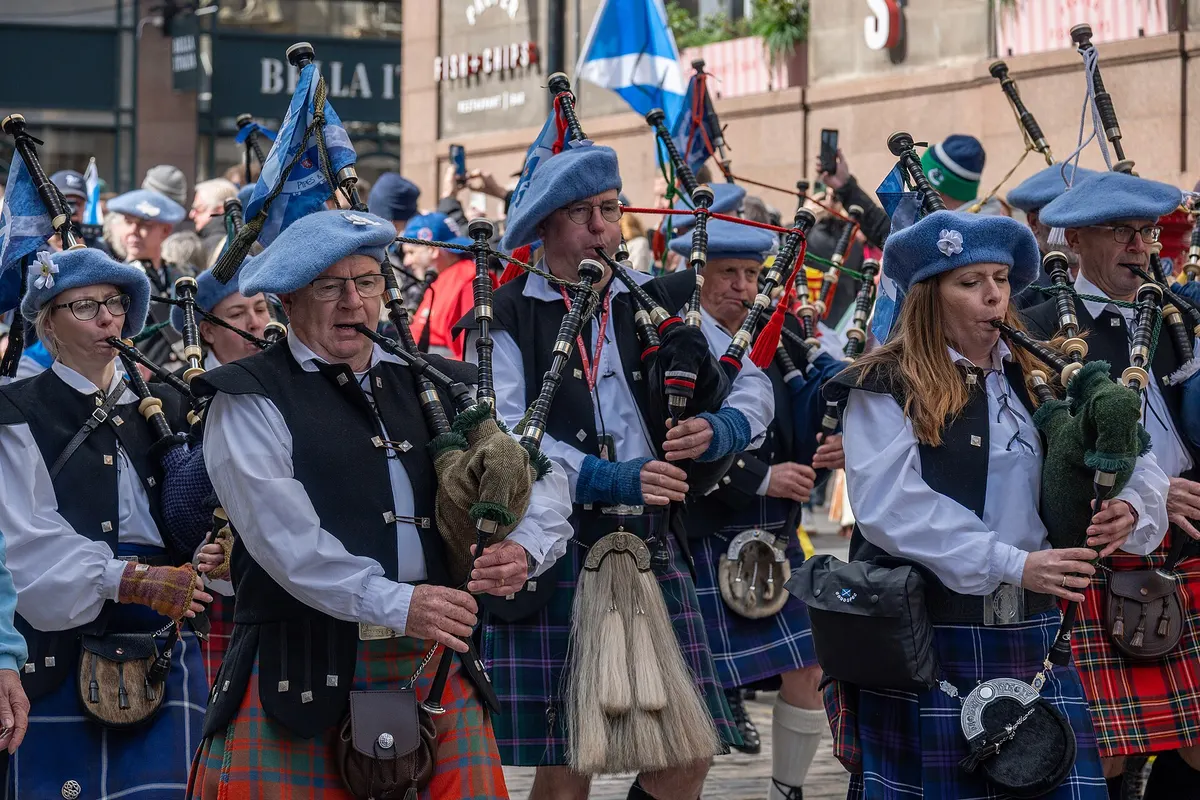
Real photographs from Wikimedia Commons: a piper in Edinburgh, a pipe band at a hall ceilidh, a pipe band on parade, Chambers Street, a plate of haggis, neeps and tatties, a candle-lit stone vault and Alexander Nasmyth's portrait of Robert Burns.
Six deeper reads
Six reads on the songs, the supper and the setting
- Start here Is the Edinburgh Scottish folk dinner worth it? What 4.6 stars from 399 guests tells you A piper, a three-course supper and two musicians on Chambers Street, weighed up: who it fits, what the booking page promises and a short test to decide. Read →
- The comparison A folk dinner or the Underground Vaults: which Edinburgh evening? A seated Scottish supper with live songs set beside a tour of the vaults under the city: format, setting, ratings and who each one suits. Read →
- The music From ballads to reels: how Scottish folk music got to the table What the musicians mean by a ballad, where the tunes were gathered and why a folk evening can be as much talk as song. Read →
- The table Haggis, neeps and the Burns supper: the tradition behind a Scottish dinner What haggis is made of, who held the first Burns supper and how a formal Scottish dinner is meant to run. Read →
- The welcome The bagpipe and the piper's welcome: what the instrument is and why it opens the night How the Great Highland bagpipe works, why it cannot play quietly and where the habit of a piper at the door comes from. Read →
- The toast Scotch whisky regions and the closing whisky toast What the law says Scotch must be, the five regions and how to choose between a dram and the alternative. Read →
FAQ
Practical questions, answered before you choose an evening
Is the Edinburgh Scottish folk dinner worth it?
For first-timers who like to listen, yes. It holds 4.6 stars from 399 GetYourGuide reviews, and the night pairs a piper, a three-course supper, live folk songs and a whisky toast. It is seated music and talk, not a dance night.
What is included?
The booking page names a three-course meal of two dishes and a dessert, one complimentary Scottish drink, a bagpiper's welcome with photos, an evening of live folk music and a closing whisky toast. Extra drinks are not mentioned, so expect to pay for them.
Where does it take place?
At a restaurant at 1 Chambers Street in Edinburgh's Old Town. The booking page does not give the restaurant's name, and your confirmation e-mail has the meeting details.
How long does it last?
Around three hours, going by the booking page. Start times appear in the calendar for each date and again in your confirmation.
What language is it in?
English. The musicians introduce the songs and tell the stories behind them in English.
Can I go if I do not drink whisky?
Yes. The page says an alternative is offered to guests who do not take part in the whisky toast. Check the page for the wording on age.
What about dietary needs?
Tell the provider before the evening. The page does not publish a menu, and a kitchen can only adapt a three-course meal when it knows in advance.
Is the music loud, and do guests dance?
The page describes two musicians playing Scottish folk songs from ballads to lively numbers at your table, with stories between them. It does not describe a dance floor, so think of it as listening, not a ceilidh.
Can I cancel?
Yes, at no charge until the day before, and reserving costs nothing today. The calendar page for your date spells out the terms.