The toast
Scotch whisky regions and the closing whisky toast
What the law says Scotch must be, the five regions and how to choose between a dram and the alternative.
Reserve your evening ↗Quick answer
Under the Scotch Whisky Regulations 2009, Scotch must be distilled at a distillery in Scotland and matured there for at least three years in oak casks of no more than 700 litres, then bottled at 40% alcohol or more with nothing added except water and plain caramel colouring. Wikipedia names five regions: Speyside, the Highlands, the Lowlands, Islay and Campbeltown. The Edinburgh evening closes with a whisky toast introduced by an expert, with an alternative for guests who do not drink.
The five Scotch regions
| Character, as Wikipedia summarises it | |
|---|---|
| Speyside | Sweet, fruity, caramel-like and spicy; named for the River Spey |
| Highlands | The largest region; fruity, sweet, spicy and malty |
| Lowlands | Lighter, sweet and floral |
| Islay | Southern distilleries peat-smoky; northern ones milder |
| Campbeltown | Small; described as fruity, peaty, sweet and smoky |
What counts as Scotch
The law is specific. Regulation 3 of the Scotch Whisky Regulations 2009 says Scotch is whisky distilled at a distillery in Scotland and matured only in Scotland, for not less than three years, in oak casks of no more than 700 litres. It must be bottled at no less than 40% alcohol by volume and may contain nothing but water and plain caramel colouring. Wikipedia adds that it is made from water and malted barley, with whole grains of other cereals allowed, and distilled below 94.8%. Those rules are why a bottle labelled Scotch means something.
Five regions
Wikipedia lists five regions. Speyside, named for the River Spey, has the most distilleries and has been a recognised region since 2014. The Highlands are the largest by area and production. The Lowlands cover the Central Belt and the south. Islay, an island, is known for smoky whiskies, though its northern distilleries are milder. Campbeltown is a small western coastal region with three distilleries left. Regional labels describe a general leaning, and individual distilleries vary, so treat the summaries as a starting map.
Single malt and blended
A single malt comes from one distillery and is made in a pot still from malted barley alone, says Wikipedia. A blended Scotch mixes malt and grain whiskies, and the article states that about 90% of Scotch produced and nearly 90% of bottles sold are blended. The distinction affects flavour and price, but not quality in any simple way. At a short tasting, the expert is likely to explain which kind you are holding and why.
A very old drink
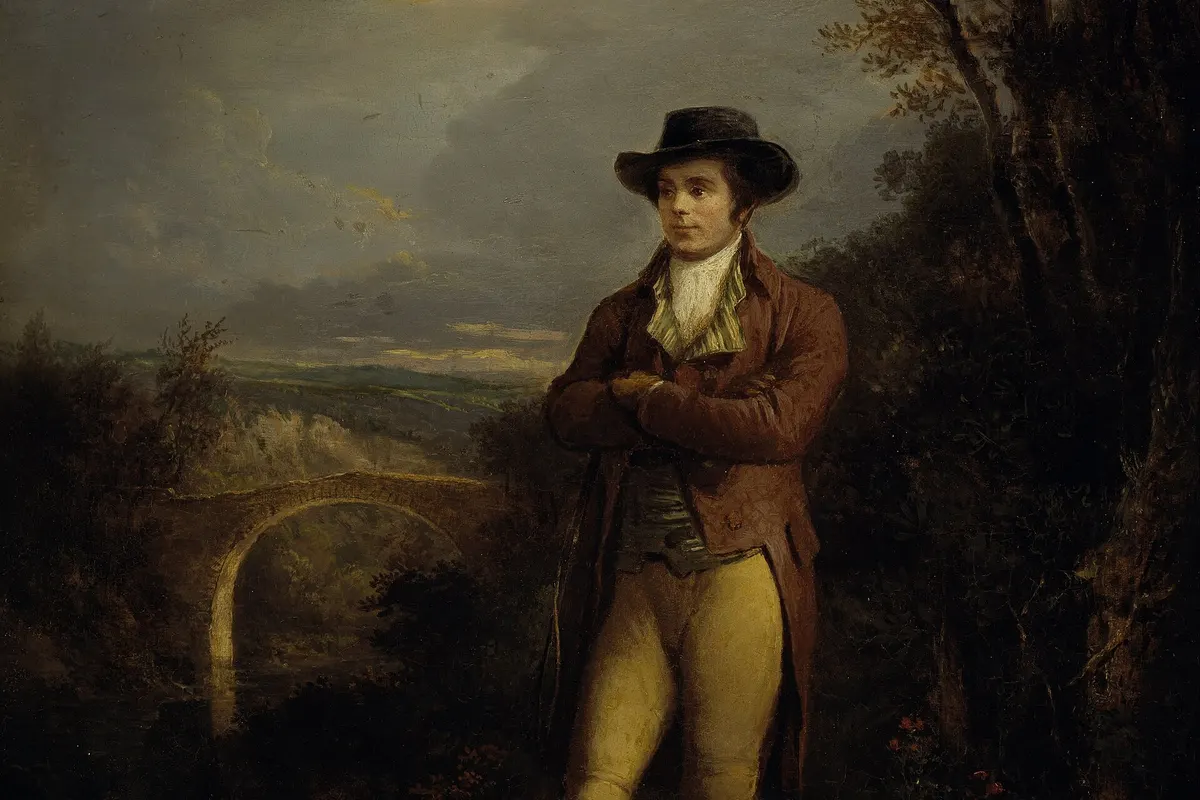
Wikipedia gives the first known written mention as an Exchequer Roll entry of 1494, recording eight bolls of malt given to Friar John Cor to make aqua vitae. By the time Robert Burns was writing, whisky already sat at the centre of Scottish social life, and a dram is part of the traditional Burns supper. Wikipedia also notes the spelling: Scottish, English, Welsh, Canadian and Australian whiskies use whisky, while Irish ones use whiskey.
The toast on the booking page
According to the booking page, the night finishes with a whisky toast and a short word from an expert. It names no whisky, region or number of drams, so this guide does not either. The toast is a ritual of closing a meal together, similar to the toasts that close a Burns supper. Expect a brief explanation of what is in the glass, then a raised glass and a few words.
If you do not drink whisky
The page says an alternative is offered to guests who do not take whisky. It does not specify what the alternative is, so ask the provider when you book, or on arrival. Many visitors skip the dram because they are driving, pregnant, abstaining or under the legal age. Check the booking page for any age wording, and tell the provider early, so the toast does not leave anyone out.
How to taste
Hold the glass and look at the colour first, then smell before sipping. Take a small sip and let it sit on the tongue. Many tasters add a few drops of water to open the aroma, though that is a matter of taste. The point of the toast is not expertise but shared attention, a pause at the end of the night to notice what you are drinking and who you are with.
Frequently asked questions
What does Scotch have to be?
Distilled and matured in Scotland, aged at least three years in oak casks of no more than 700 litres and bottled at 40% or stronger, under the 2009 regulations.
Is there an option if I do not drink alcohol?
Yes. The booking page says an alternative is offered to guests who do not take whisky.
Which region will we taste?
The booking page does not say, so ask the provider if it matters to you.
Sources